
The “Japanese pillow mist aesthetic” is more than a fleeting trend; it’s a captivating fusion of visual and thematic elements deeply rooted in Japanese culture. This delicate aesthetic, often characterized by soft, muted tones and serene imagery, evokes a sense of tranquility and introspection. From meticulously crafted interior design to subtly nuanced fashion, its influence is pervasive.
This exploration delves into the core principles, key visual characteristics, and thematic interpretations of this intriguing aesthetic. We’ll examine its historical context, analyze its applications across various industries, and ultimately uncover the enduring appeal of this evocative style.
Defining the Aesthetic
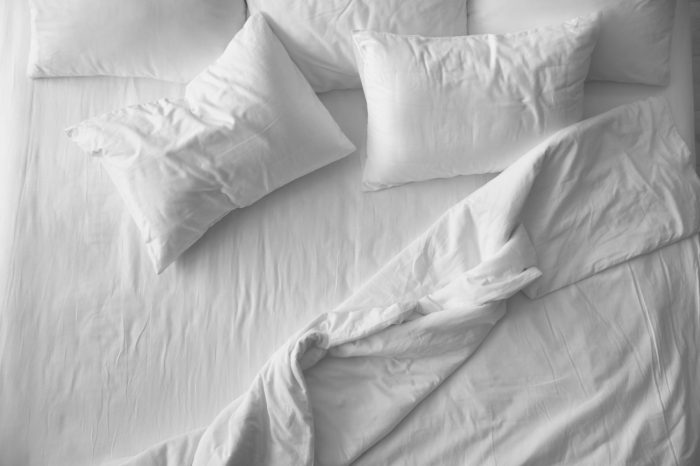
The “Japanese pillow mist aesthetic” is a contemporary interpretation of Japanese design principles, blending traditional elements with modern sensibilities. It evokes a sense of serene tranquility and subtle elegance, often characterized by soft, muted colors, delicate textures, and a focus on natural forms. This aesthetic transcends mere visual appeal; it reflects a deeper appreciation for craftsmanship, mindful living, and the beauty found in simplicity.The aesthetic is primarily defined by its visual and thematic elements, including soft, muted color palettes, often drawing inspiration from nature’s gentle hues.
Delicate textures, such as flowing fabrics and subtly patterned surfaces, further contribute to the ethereal quality. The overall effect is one of calmness and quiet sophistication. Thematic elements frequently include a focus on natural forms, organic shapes, and subtle patterns, reflecting a harmonious connection with the environment. This aesthetic often incorporates symbolism from Japanese culture, adding layers of meaning and depth to the design.
Visual and Thematic Elements
The aesthetic’s core visual elements revolve around soft, muted color palettes. These hues frequently draw inspiration from nature, including soft grays, pale blues, and muted greens, creating a calming atmosphere. Delicate textures, such as flowing fabrics and subtly patterned surfaces, further contribute to the aesthetic’s ethereal quality. A key element is the incorporation of natural forms and organic shapes, reflecting a harmonious connection with the environment.
Subtle patterns, often inspired by traditional Japanese motifs, add depth and complexity without overwhelming the design.
Historical and Cultural Influences
The Japanese pillow mist aesthetic draws heavily from traditional Japanese design principles like wabi-sabi, which emphasizes the beauty of imperfection and impermanence. The concept of shibui, a sense of quiet elegance and understated beauty, also plays a significant role. Furthermore, the influence of Zen Buddhism, with its emphasis on tranquility and mindfulness, is evident in the aesthetic’s serene and contemplative atmosphere.
These influences are intertwined with contemporary trends, creating a unique blend of tradition and modernity. This aesthetic can be seen as a modern expression of age-old Japanese sensibilities.
Manifestations in Different Mediums
The Japanese pillow mist aesthetic finds expression in a wide range of mediums. In interior design, this aesthetic manifests through the use of calming color palettes, natural materials, and minimalist furniture arrangements. In fashion, it translates to soft fabrics, flowing silhouettes, and muted color palettes, often with subtle Japanese patterns. Art often incorporates soft brushstrokes, delicate details, and a serene atmosphere.
Examples of this can be found in contemporary Japanese calligraphy, paintings, and ceramics, showcasing a harmony between nature and artistic expression.
Examples of Manifestation
In interior design, this aesthetic is often seen in minimalist spaces featuring natural materials like wood and stone. Muted colors like sage green, soft gray, and pale blue create a tranquil atmosphere. Japanese-inspired patterns, like subtle floral motifs, add subtle visual interest. In fashion, designers might incorporate flowing silk garments in pastel shades, accompanied by delicate embroidery or subtle prints.
Contemporary artists might use soft watercolor techniques, creating serene landscapes or abstract compositions that evoke a sense of tranquility. The aesthetic transcends specific objects; it’s an overall feeling, a sense of calm and subtle sophistication.
Key Visual Characteristics
The Japanese pillow mist aesthetic, a captivating blend of tranquility and understated elegance, relies heavily on visual cues to evoke its desired mood. Its soft, muted tones and delicate textures create a sense of serenity, often evoking a feeling of being enveloped in a gentle, comforting atmosphere. This visual language is crucial to the aesthetic’s success, translating its essence into tangible imagery.
Color Palettes
The color palettes employed in the Japanese pillow mist aesthetic are typically soft and muted, leaning toward pastels and neutral tones. This palette prioritizes a calming effect, avoiding harsh or vibrant colors. Think delicate lavender, soft mint green, and muted peach, alongside cream, beige, and gray. These colors work in harmony to create a soothing visual environment, reminiscent of a serene Japanese garden or a quiet tea ceremony.
Textures and Patterns
Visual representations of the aesthetic often feature a variety of soft textures. Common textures include flowing fabrics, delicate lace, and soft, fuzzy materials. Subtle patterns, such as subtle floral prints or delicate abstract designs, are also frequently incorporated. These patterns and textures contribute to the overall sense of gentleness and refinement, enhancing the aesthetic’s soothing and comforting quality.
The use of textured fabrics like linen or silk adds an element of luxury and refinement.
Lighting and Composition
Lighting plays a significant role in setting the mood of the Japanese pillow mist aesthetic. Soft, diffused lighting, often resembling natural daylight filtering through sheer curtains, creates a warm and inviting atmosphere. Composition often focuses on asymmetry and negative space, allowing the eye to wander and rest, mirroring the serene atmosphere the aesthetic aims to evoke. A key element is the use of shallow depth of field, focusing the viewer’s attention on the subject while maintaining a soft, blurry background.
Objects and Motifs
Specific objects and motifs frequently appear in visual representations of the Japanese pillow mist aesthetic. These include delicate flowers, such as cherry blossoms or hydrangeas, suggesting a connection to nature and a sense of tranquility. Simple, minimalist objects like ceramic teacups and tea sets can be present, hinting at a focus on calm and thoughtful activities. Japanese calligraphy or delicate ink drawings are also common motifs, symbolizing serenity and cultural heritage.
Contrasting Color Palettes
| Palette 1 | Palette 2 |
|---|---|
| Soft Lavender, Pale Mint Green, Cream | Dusty Rose, Light Gray, Ivory |
| Muted Peach, Light Beige, Grayish-Blue | Pale Yellow, Light Teal, Off-White |
| Muted Yellow-Green, Soft Pink, Cream | Deep Mauve, Light Gray, Off-White |
These contrasting palettes demonstrate the range of soft, muted colors that define the aesthetic. Each palette evokes a slightly different mood, but maintains the core principles of tranquility and understated elegance.
Thematic Interpretations
The Japanese pillow mist aesthetic, characterized by its soft, muted tones and delicate floral motifs, carries a rich tapestry of emotional and symbolic weight. Beyond its visual appeal, this aesthetic subtly communicates nuanced cultural values and evokes a specific emotional landscape. It offers a pathway to understanding the deeper meaning embedded within seemingly simple visual elements.This aesthetic transcends mere decorative appeal, acting as a conduit for expressing specific feelings and ideas.
The gentle hues and intricate patterns are not arbitrary choices but carefully curated to evoke a sense of tranquility and serenity. This thoughtful selection of design elements speaks volumes about the cultural values underlying the aesthetic.
Emotional Connotations
The pillow mist aesthetic is deeply associated with tranquility and serenity. Soft, pastel colors and delicate floral patterns contribute to a calming and soothing atmosphere. The overall impression is one of quietude, contemplation, and gentle introspection. This is further enhanced by the subtle and understated nature of the design elements.
Symbolic Representations
The aesthetic frequently utilizes floral motifs as a recurring symbol. Flowers, particularly those with delicate structures, often symbolize beauty, fragility, and the ephemeral nature of life. This symbolic language is deeply ingrained in Japanese culture and is expressed through various art forms and design choices. The subtle use of these symbols adds another layer of meaning to the aesthetic.
Connection to Japanese Cultural Values
The Japanese pillow mist aesthetic resonates deeply with core Japanese cultural values. The emphasis on simplicity, harmony, and natural beauty is evident in the aesthetic’s muted tones and subtle designs. These elements reflect a cultural preference for understated elegance and a deep appreciation for nature’s beauty. This appreciation for simplicity and tranquility is mirrored in traditional Japanese gardens and tea ceremonies.
Comparison with Other Aesthetics
While sharing some common ground with other calming aesthetics, such as Scandinavian minimalism, the pillow mist aesthetic is distinct. It often emphasizes softer, more nuanced color palettes and a greater focus on floral motifs and subtle patterns. The Japanese aesthetic often exhibits a closer connection to nature and the appreciation for its beauty. In contrast, Scandinavian aesthetics often prioritize clean lines and functionality.
Associated Emotions, Feelings, and Atmospheres
This aesthetic evokes a range of emotions, feelings, and atmospheres:
- Tranquility: A sense of peace and calm, often associated with a quiet and serene environment.
- Serenity: A state of calmness and composure, fostering a feeling of introspection and mindfulness.
- Delicacy: An appreciation for the gentle beauty of small details, fostering a sense of softness and tenderness.
- Introspection: A space for quiet contemplation and reflection, often associated with a gentle and introspective mood.
- Elegance: A sense of understated beauty and refined taste, highlighting simplicity and grace.
Practical Applications
The Japanese pillow mist aesthetic, characterized by its serene ambiance and subtle sophistication, transcends mere visual appeal. Its practical applications extend beyond interior design, offering opportunities for integration across diverse industries. This exploration details how to translate this aesthetic into tangible design elements, fostering a sense of calm and understated elegance in various settings.
Interior Design Applications
This aesthetic, rooted in minimalist principles, finds a natural home in contemporary and modern interior design. Emphasis on natural light and clean lines is key, creating a sense of spaciousness and tranquility. Soft, muted color palettes, such as pale blues, grays, and beiges, are crucial for achieving the desired atmosphere. Incorporating natural materials like wood and bamboo further enhances the aesthetic’s harmony with nature.
Textiles, like linen and silk, in soft, flowing textures contribute to the overall sense of comfort and refinement.
Fashion and Product Design Applications
The Japanese pillow mist aesthetic translates seamlessly into fashion and product design. Fashion items can incorporate soft silhouettes, flowing fabrics, and muted color palettes. Think of dresses with gentle drapes, or trousers with a subtle sheen. Product design can leverage similar principles. For example, a minimalist tea set, crafted from polished wood or ceramic with delicate patterns, embodies the understated elegance of the aesthetic.
These designs emphasize quality craftsmanship and meticulous attention to detail.
Industry Applications
| Industry | Application | Examples |
|---|---|---|
| Home Furnishings | Creating tranquil and serene spaces using muted color palettes, natural materials, and soft textures. | Soft, linen sofas in muted greys, minimalist wooden coffee tables, and bamboo accent pieces. |
| Fashion | Designing clothing with soft silhouettes, flowing fabrics, and subtle patterns. | Flowy silk dresses in pastel colors, linen shirts with delicate embroidery, and relaxed-fit trousers in muted shades. |
| Beauty Products | Packaging that evokes serenity and tranquility with muted colors and natural imagery. | Gentle floral scents, muted-toned packaging with subtle textures, and minimalist product shapes. |
| Hospitality | Creating a calming and inviting atmosphere in hotels and restaurants with muted colors and natural elements. | Soft lighting, natural materials in decor, calming color palettes in dining areas, and use of natural textures like wood and stone. |
Creating a Space Embodying the Aesthetic
Creating a space reflecting the Japanese pillow mist aesthetic involves a thoughtful process. Begin by selecting a calming color palette, prioritizing soft, muted tones like sage green, dusty rose, or light gray. Incorporate natural materials like wood, bamboo, or stone to enhance the sense of tranquility. Soft lighting is key, utilizing warm-toned lamps or diffused natural light.
Choose textiles with flowing textures like linen or silk. Finally, introduce subtle elements of nature, such as indoor plants or a water feature, to further cultivate a serene atmosphere.
Integrating the Aesthetic into Personal Style
Integrating the aesthetic into personal style involves adopting a subtle and understated approach. Prioritize soft, flowing fabrics like silk or linen. Opt for muted colors like pastels or neutral tones. Choose clothing with clean lines and avoid overly embellished designs. Accessorize with simple pieces that complement the overall understated elegance.
This style fosters a sense of quiet confidence and understated refinement.
Inspiration and References
The Japanese pillow mist aesthetic draws heavily from a rich tapestry of artistic, cultural, and historical influences. Understanding these inspirations provides a deeper appreciation for the aesthetic’s subtle nuances and multifaceted appeal. The aesthetic’s essence isn’t simply a stylistic choice; it’s a curated interpretation of core Japanese principles.
Artists and Designers
The aesthetic draws inspiration from a diverse range of Japanese artists and designers, each contributing unique facets to the overall feeling. Contemporary designers often cite masters of traditional Japanese aesthetics, such as the renowned woodblock print artist Utagawa Hiroshige, for their profound understanding of color palettes and composition. Hiroshige’s landscapes, imbued with a poetic sense of place and tranquility, resonate with the pillow mist aesthetic’s emphasis on serenity.
Similarly, the minimalist design sensibilities of contemporary Japanese designers like Issey Miyake and Junya Watanabe, who often employ subtle color gradations and muted tones, directly inform the aesthetic’s subdued and elegant nature.
Japanese Art History
Japanese art history, with its emphasis on natural forms, delicate brushstrokes, and the exploration of fleeting moments, profoundly shapes the pillow mist aesthetic. The principles of wabi-sabi, a Japanese aesthetic philosophy emphasizing the beauty of imperfection and impermanence, are clearly reflected in the aesthetic’s appreciation for subtle textures and the delicate interplay of light and shadow. The influence of Zen Buddhism, with its focus on meditation and contemplation, also informs the aesthetic’s emphasis on quietude and serenity.
Furthermore, the artistic tradition of arranging flowers (ikebana) and tea ceremonies (chado) demonstrate the importance of mindful observation and the appreciation of natural beauty, core elements in the pillow mist aesthetic.
Japanese Literature, Film, and Music
Japanese literature, particularly works like the poetry of the haiku tradition, profoundly impacts the aesthetic’s evocative nature. The haiku’s concise portrayal of nature and emotion, its ability to evoke a sense of atmosphere, and its emphasis on sensory details are all reflected in the pillow mist aesthetic’s use of subtle imagery. Furthermore, films like those directed by Akira Kurosawa, known for their poetic use of light and shadow and their exploration of human emotions, have influenced the aesthetic’s emotional depth.
The use of ambient, minimalist music, often featuring delicate instrumental pieces or nature soundscapes, further contributes to the aesthetic’s atmosphere of tranquility.
Japanese Traditions and Practices
The pillow mist aesthetic finds its roots in numerous Japanese traditions and practices. The meticulous art of Japanese gardens (karesansui) emphasizes the appreciation of natural forms in a minimalist setting, reflecting the aesthetic’s emphasis on serenity and harmony with nature. The practice of tea ceremonies (chado) cultivates mindfulness and a deep appreciation for the present moment, mirroring the aesthetic’s focus on tranquility and subtle beauty.
The ceremonial practice of flower arranging (ikebana) emphasizes the harmonious balance and the natural beauty of flowers, mirroring the aesthetic’s use of delicate and muted colors. The influence of these practices is evident in the aesthetic’s emphasis on quietude and the appreciation of nature’s subtle beauty.
Visual References
Consider a photograph of a traditional Japanese garden. The meticulously placed rocks, the carefully cultivated moss, and the subtle use of water features create a serene and minimalist atmosphere. The soft, diffused light filtering through the trees further enhances the sense of tranquility. Another example is a detail of a hand-painted Japanese scroll. The delicate brushstrokes, the subtle color palettes, and the nuanced depiction of natural forms highlight the aesthetic’s appreciation for subtle beauty and the use of delicate brushwork.
A modern Japanese interior design showcasing minimalist furniture with a natural wood finish and muted color schemes, complemented by soft lighting, embodies the pillow mist aesthetic. The overall impression is one of understated elegance and tranquility.
Evolution and Trends
The Japanese pillow mist aesthetic, a delicate blend of serene minimalism and subtle elegance, has undergone a fascinating evolution, reflecting shifting cultural values and technological advancements. Its journey reveals a dynamic interplay between tradition and contemporary interpretations, creating a lasting impact on design and lifestyle choices.The aesthetic’s initial form, rooted in traditional Japanese design principles, emphasized natural materials, muted color palettes, and meticulous craftsmanship.
Over time, this foundation has been reimagined, absorbing influences from global trends and evolving societal preferences. This transformation demonstrates the aesthetic’s remarkable adaptability and enduring appeal.
Evolutionary Trajectory
The Japanese pillow mist aesthetic’s trajectory mirrors broader design trends. Early iterations focused on a refined simplicity, drawing inspiration from Japanese gardens and traditional tea ceremonies. Gradually, the aesthetic embraced softer, more nuanced color schemes, moving away from stark contrasts. Technological advancements in materials and production methods have further expanded the possibilities for expressing this aesthetic, enabling the creation of more complex and intricate designs.
For instance, the use of advanced printing techniques allowed for the reproduction of delicate floral patterns with a refined subtlety, a feature frequently seen in contemporary interpretations.
Contemporary Interpretations
The aesthetic’s adaptation to modern contexts showcases its versatility. It has been successfully integrated into diverse areas, including interior design, fashion, and even digital art. The application of the aesthetic’s core principles—natural textures, subtle color palettes, and a sense of tranquility—has resulted in a visually appealing approach to various aspects of contemporary life. Contemporary interpretations often involve the use of innovative materials, reflecting the modern consumer’s desire for sustainability and unique design elements.
Influencing Factors
Several factors have shaped the evolving perception of the Japanese pillow mist aesthetic. Growing awareness of sustainable practices and a global emphasis on wellness have significantly impacted the aesthetic’s appeal. The increasing popularity of minimalist design principles has also contributed to the aesthetic’s prominence, influencing choices related to interior design, personal style, and product design. The growing influence of social media platforms has played a significant role in the aesthetic’s wider dissemination, fostering its adoption and reinvention among a global audience.
Popularity Progression
The aesthetic’s popularity has followed a pattern consistent with evolving trends in global design. Initial interest was driven by a niche audience captivated by its unique visual qualities. As the aesthetic gained traction, its adoption expanded into mainstream markets, driven by media coverage, social media engagement, and the collaborations of influential designers and brands. Today, the Japanese pillow mist aesthetic continues to inspire and influence design choices, solidifying its position as a lasting trend.
A notable indicator of this progression is the increased frequency of products and services incorporating elements of the aesthetic, suggesting widespread recognition and appreciation.
Materials and Techniques
The Japanese pillow mist aesthetic, characterized by its delicate beauty and serene atmosphere, relies heavily on materials and techniques that evoke a sense of tranquility and artistry. These elements, often inspired by traditional Japanese crafts, play a crucial role in defining the aesthetic’s visual identity. The choice of materials and the precision of the techniques employed contribute significantly to the overall impact and emotional response of the aesthetic.The aesthetic’s appeal stems from its careful consideration of texture, color, and form.
Materials are selected not only for their visual properties but also for their inherent qualities, such as their tactile feel and the stories they carry. The meticulous techniques employed in crafting objects further elevate the aesthetic, adding layers of sophistication and craftsmanship.
Common Materials
The visual representations of the Japanese pillow mist aesthetic often feature a palette of natural and refined materials. These include, but are not limited to, silk, linen, cotton, wood, bamboo, and porcelain. The selection of these materials often reflects a deep respect for nature and its inherent beauty. The choice of materials often aims to create a sense of lightness, softness, and elegance, embodying the tranquil essence of the aesthetic.
Crafting Techniques
Crafting techniques used to embody the aesthetic are often deeply rooted in traditional Japanese arts and crafts. Techniques like delicate embroidery, intricate paper folding (origami), and meticulous wood carving are employed to create objects with intricate detail and a sense of timeless elegance. The precise execution of these techniques contributes to the aesthetic’s refined and sophisticated appearance.
Traditional Japanese Crafts
Traditional Japanese crafts play a vital role in the aesthetic. The emphasis on meticulous craftsmanship and the use of natural materials reflect a deep respect for tradition and the beauty of the natural world. These crafts often feature minimalist designs, emphasizing simplicity and understated elegance, which aligns perfectly with the tranquil essence of the aesthetic. Examples include the intricate artistry of lacquerware and the delicate beauty of Ikebana flower arrangements.
Examples of Materials and Techniques
For pillowcases, lightweight silk or linen are favored for their softness and drape, while embroidery or delicate stitching are used to create intricate patterns. In the case of decorative trays, bamboo or wood, polished to a smooth sheen, might be employed, often adorned with subtle lacquer work or delicate carvings. For wall hangings, handcrafted paper, often featuring delicate calligraphy or traditional Japanese imagery, is a popular choice.
Materials Suitability
| Material | Suitability for Aesthetic | Visual Qualities |
|---|---|---|
| Silk | High | Softness, drape, elegance, natural beauty |
| Linen | High | Durability, texture, natural aesthetic, breathable |
| Bamboo | Medium | Strength, natural aesthetic, can be polished to a smooth finish |
| Porcelain | High | Delicate beauty, smooth surface, translucency |
| Wood | Medium | Strength, warmth, natural beauty, can be carved/painted |
Contrasting Elements
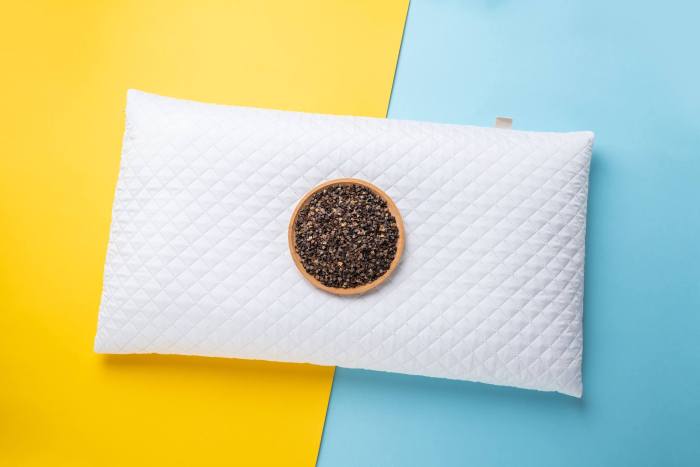
The Japanese pillow mist aesthetic, with its delicate beauty and serene ambiance, relies heavily on contrasting elements to create a powerful visual impact. These contrasts aren’t simply about opposition, but rather about highlighting specific qualities and emotions within the overall design language. This careful juxtaposition of seemingly disparate elements is crucial in conveying the aesthetic’s unique character.The deliberate use of contrasting elements within this aesthetic is not merely decorative; it serves a deeper purpose, enriching the visual experience and conveying specific emotional and thematic messages.
This sophisticated approach fosters a sense of harmony by showcasing the interplay between opposing forces.
Contrasting Colors
The pillow mist aesthetic often juxtaposes soft, pastel hues with bolder, deeper tones. This creates a dynamic visual tension, drawing the viewer’s eye while maintaining a sense of calm. For example, a backdrop of pale lavender might be accented with deep indigo or charcoal gray, creating a striking yet harmonious combination. This contrasts the soft, light colours that give the pillow mist aesthetic its gentle, serene aura.
The use of contrasting colors can create a sense of depth and dimension within a design. Similarly, a delicate rose-pink might be offset by a deep, rich emerald green, balancing the warmth with a touch of cool energy.
Contrasting Textures
A crucial aspect of this aesthetic is the contrast between smooth and rough, or delicate and substantial textures. A smooth, silky pillowcase might be paired with a rough, hand-woven blanket, for instance. This interplay creates visual interest and adds depth to the overall design. The combination of these contrasting textures evokes a sense of balance, where opposing qualities exist harmoniously.
This is further amplified by the careful selection of materials. The use of luxurious silks, satins, or velvets is often contrasted with the simple, natural texture of cotton or linen. This duality underscores the aesthetic’s emphasis on both sophistication and simplicity.
Contrasting Forms and Shapes
The pillow mist aesthetic often incorporates a contrast between delicate, flowing lines and more rigid, geometric shapes. For instance, a graceful, flowing curtain might be placed alongside a sturdy, rectangular table. This juxtaposition creates a sense of visual dynamism, allowing the viewer to appreciate the subtle yet significant differences between the forms. Such contrasts in form can also be seen in the use of organic shapes, such as leaves or flowers, juxtaposed with more structured shapes, like vases or containers.
Visual Language of Contrast
The pillow mist aesthetic employs a sophisticated visual language to express contrast. Instead of harsh, abrupt changes, the contrasts are often subtle and nuanced. Graded transitions between colors, soft edges, and carefully placed highlights create a sense of fluidity and harmony. This approach avoids jarring contrasts, instead focusing on the delicate interplay between different elements. It prioritizes a sense of quiet elegance over forceful declarations.
The emphasis on gradual transitions and soft edges conveys a sense of serenity and tranquility.
Symbolic Significance of Contrasting Elements
The use of contrasting elements in the pillow mist aesthetic often carries symbolic weight. For example, the juxtaposition of light and dark colors might represent the balance between opposing forces in life, or the contrast between softness and strength. The interplay of textures could symbolize the harmony between different facets of experience, while the contrast in forms might highlight the balance between structure and fluidity.
The visual language used to convey contrast contributes to the overall symbolic depth of the aesthetic. These symbolic layers contribute to a rich, layered interpretation of the design.
Cultural Context
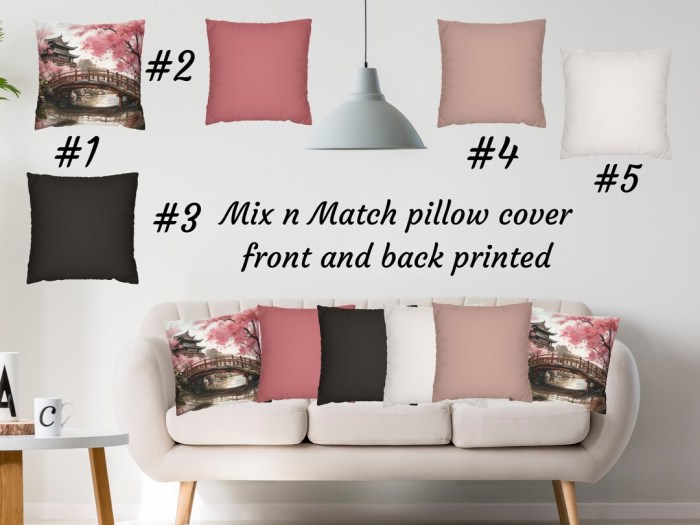
Japanese pillow mist aesthetics draw deeply from the nation’s rich cultural heritage, blending traditional principles of beauty and practicality with contemporary sensibilities. This aesthetic, often incorporating subtle and evocative imagery, reflects a nuanced understanding of harmony, tranquility, and the ephemeral nature of beauty, deeply rooted in centuries of philosophical and artistic tradition.This aesthetic taps into core Japanese cultural values, prioritizing natural beauty, simplicity, and a mindful appreciation for the present moment.
The emphasis on understated elegance, the evocative use of natural imagery, and the subtle interplay of light and shadow all speak to a cultural preference for understated sophistication and a deep connection to nature.
Historical Significance of Japanese Aesthetics
Japanese aesthetics, encompassing concepts like
- wabi-sabi* and
- mono no aware*, have shaped artistic expression for centuries. These philosophies emphasize the beauty of imperfection, the transience of life, and the inherent beauty in the natural world. The concept of
- yūgen*, a profound sense of mystery and depth, further contributes to the aesthetic’s allure. These ideals are deeply intertwined with Japanese spiritual and philosophical traditions. The appreciation for natural forms and the subtle beauty of the fleeting moment, integral to the pillow mist aesthetic, are direct echoes of these historical traditions.
Common Symbols and Metaphors
Japanese aesthetics frequently employ imagery drawn from nature. Flowers, particularly cherry blossoms and plum blossoms, symbolize fleeting beauty and the impermanence of life. Bamboo, with its strength and resilience, represents endurance and adaptability. Water, in its various forms, embodies purity, transformation, and the constant cycle of life and death. These symbols, deeply ingrained in Japanese culture, lend a layer of meaning and depth to the pillow mist aesthetic.
They are frequently incorporated into the visual design and messaging of products, conveying the aesthetic’s inherent connection to nature and its core principles.
Cultural Interpretations in Different Contexts
The pillow mist aesthetic, while rooted in Japanese traditions, can be interpreted and appreciated across cultures. The emphasis on tranquility and understated beauty resonates with individuals seeking a sense of serenity and harmony in their lives, regardless of their cultural background. The universality of these concepts allows the aesthetic to transcend geographical boundaries and appeal to a global audience, while still maintaining its unique cultural identity.
Different cultures might interpret the specific imagery and symbolism with their own understanding, adding a personal layer to their appreciation.
Evolution of the Aesthetic
The pillow mist aesthetic, while drawing inspiration from traditional Japanese aesthetics, evolves with time. Contemporary interpretations often blend traditional elements with modern sensibilities, incorporating elements of minimalism and functionality. The aesthetic adapts to contemporary needs and trends while preserving its core cultural values. The use of advanced materials and techniques, while respecting the traditional aesthetic, showcases the aesthetic’s capacity to adapt and stay relevant in a dynamic world.
This adaptability is a key element of its longevity and appeal.
Creative Applications
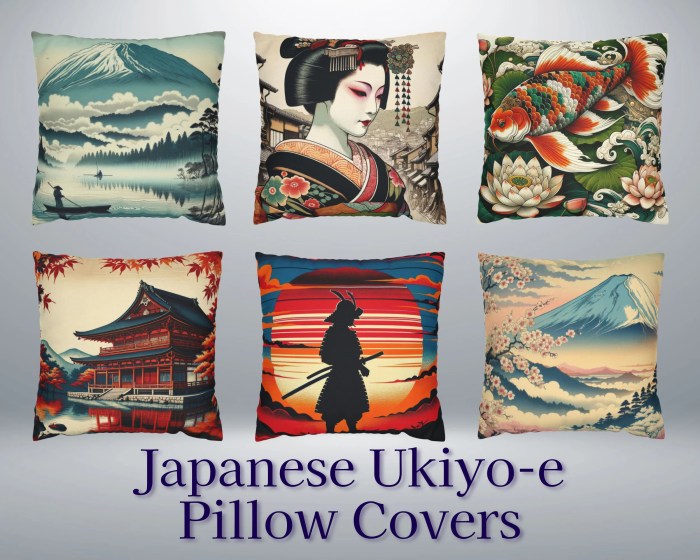
The Japanese pillow mist aesthetic, with its emphasis on tranquility and delicate beauty, offers fertile ground for innovative design and artistic expression. This aesthetic transcends mere decoration, inspiring products and experiences that evoke a sense of serene introspection and subtle sophistication. Its nuanced interpretations invite diverse creative applications across various sectors.
Product Design
The pillow mist aesthetic, characterized by soft hues and flowing lines, lends itself to the creation of sophisticated yet approachable products. Consider a minimalist, hand-crafted ceramic diffuser, featuring subtle, flowing patterns and a calming color palette, perhaps in shades of pale lavender, dusky rose, or muted sage green. The diffuser could incorporate a gentle, warm light, further enhancing the tranquil atmosphere.
This product would appeal to consumers seeking a subtle yet impactful addition to their personal space.
Space Design Concept
A serene sanctuary, the space utilizes soft, diffused lighting and strategically placed, tactile materials. Natural elements, such as woven bamboo screens and trailing greenery, are interwoven with muted color palettes to create a soothing atmosphere.
A tranquil living room, featuring a muted gray and cream color scheme, could be complemented by soft, natural textures. Floor cushions and low tables, crafted from natural materials like rattan or bamboo, could add to the comforting atmosphere. A large, gently lit window, allowing natural light to filter into the space, is paramount. This environment is conducive to relaxation and introspection, perfectly embodying the pillow mist aesthetic.
Fashion Design Concept
| Element | Description |
|---|---|
| Silhouettes | Loose, flowing garments in lightweight fabrics like silk or linen, with soft drapes and subtle embellishments, reflecting a relaxed yet refined style. |
| Color Palette | Subtle, pastel shades with hints of delicate floral prints or soft geometric patterns, reminiscent of delicate, diffused light. |
| Accessories | Delicate jewelry, minimalist bags, and soft scarves in complementary colors, adding an element of understated elegance. |
| Materials | Natural fabrics like silk, linen, and cotton, creating a soft and luxurious feel. |
These elements combine to create a collection that resonates with the pillow mist aesthetic’s essence of delicate beauty and understated sophistication. The emphasis is on comfort, natural beauty, and a sense of effortless elegance.
Marketing Applications
| Application | Description |
|---|---|
| Brand Identity | The aesthetic can be leveraged to create a serene and calming brand image, suitable for products associated with relaxation, wellness, and beauty. |
| Packaging Design | Subtle color palettes, delicate patterns, and soft textures can enhance product appeal. |
| Social Media Campaigns | Visual storytelling through photography and videography can convey the serene and calming atmosphere, highlighting the product’s connection to tranquility. |
| Retail Environments | Create a calming atmosphere with subdued lighting, soft textures, and natural elements. |
This aesthetic is ideal for promoting products focused on tranquility, well-being, and beauty, allowing companies to establish a distinct and memorable brand identity.
Creative Process
The creative process for embodying the pillow mist aesthetic in art or design involves careful consideration of subtle details. Artists begin by exploring a palette of muted colors, incorporating soft textures, and creating flowing forms that suggest a sense of tranquility. The use of natural light and shadows, or even subtle gradients, is crucial in capturing the diffused, ethereal quality of the aesthetic.
This approach prioritizes the experience of serenity and introspection.
Impact and Influence
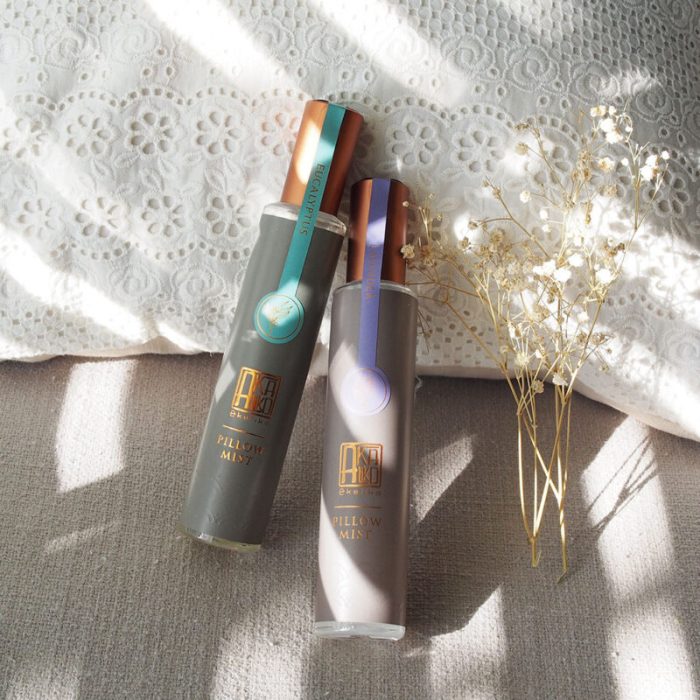
The Japanese pillow mist aesthetic, with its delicate beauty and evocative tranquility, is poised to significantly impact contemporary culture, influencing design trends and inspiring creativity across various fields. Its potential for fostering cultural exchange and understanding is undeniable, reflecting a growing global interest in Japanese aesthetics and lifestyle.This emerging aesthetic transcends mere visual appeal, resonating with a contemporary desire for serenity and mindful living.
Its influence is already evident in the growing market for minimalist home décor and wellness products, and it promises to shape future design trends in a profound way.
Potential Impact on Contemporary Culture
The Japanese pillow mist aesthetic, with its emphasis on serene visuals and delicate textures, is likely to permeate various aspects of contemporary culture. Its aesthetic appeal is likely to influence the design of spaces dedicated to relaxation, mindfulness, and meditation, extending beyond personal homes into public spaces like libraries and community centers. The aesthetic’s focus on tranquility is likely to be highly sought after, leading to an increase in demand for products and services that evoke similar feelings.
Influence on Modern Design Trends
The aesthetic is already demonstrably influencing modern design trends, particularly in the realm of interior design. Soft, muted color palettes, delicate patterns, and natural materials are increasingly favored. This trend is reflected in the rise of minimalist home décor and the integration of natural elements into living spaces. Furthermore, the emphasis on craftsmanship and meticulous detail in the aesthetic translates to a growing appreciation for high-quality, handcrafted products across diverse sectors, including furniture and accessories.
Inspiration for Creativity and Innovation
The aesthetic’s delicate beauty and focus on tranquility provide a rich source of inspiration for creative endeavors. Designers and artists can draw inspiration from the intricate details and subtle nuances of the aesthetic, translating them into new and innovative forms of expression. The aesthetic’s inherent ability to evoke a sense of peace and serenity can inspire innovative approaches to mental wellness products and services, promoting mindfulness and relaxation.
Shaping Future Trends in Various Fields
The aesthetic is likely to shape future trends in several fields. The aesthetic’s emphasis on simplicity and minimalism is likely to be influential in fashion design, potentially leading to a surge in minimalist clothing styles and a renewed focus on natural materials. Furthermore, the aesthetic’s emphasis on natural elements and craftsmanship is likely to influence the design of products across industries, including sustainable and eco-friendly packaging and home décor items.
The aesthetic may also influence product design, particularly for electronic devices, to prioritize aesthetics and user experience in a harmonious manner.
Role in Fostering Cultural Exchange and Understanding
The Japanese pillow mist aesthetic, through its emphasis on subtle beauty and serenity, provides a platform for cultural exchange and understanding. Its global appeal allows for a deeper appreciation of Japanese aesthetics and cultural values, fostering a more nuanced and empathetic understanding between different cultures. The aesthetic encourages an appreciation of the artistry and craftsmanship inherent in Japanese culture, inspiring cross-cultural dialogue and promoting greater intercultural awareness.
Ultimate Conclusion
In conclusion, the Japanese pillow mist aesthetic offers a captivating blend of tradition and modernity. Its influence extends beyond mere aesthetics, touching on emotional responses and cultural values. This exploration provides a comprehensive overview of this captivating aesthetic, highlighting its versatile applications and enduring appeal.
